I heard the wind rustling through the trees
And ghostly voices rose from the fields— My Father’s House | Вruce Springsteen | 1982
For the better part of my life, if you asked my opinion of Nebraska, I would have given you my thoughts on Bruce Springsteen’s sixth album. Nebraska is a dark and quiet landscape sparsely populated with loathsome characters who are impossible not to love. While most other inhabitants of the Springsteenian universe offer some hope for redemption (you’re rooting for them to rise up, and you know they just might), everyone in Nebraska will die in Nebraska. Listening to the album is like having an oddly comforting audience with a death row inmate that could be you, if not for some good breaks and better angels.

But Nebraska, the record doesn’t say much about Nebraska, the state.* Or maybe it does.
When you set out to visit all 50 states, whether hiking the high points, touring the Capitols, or visiting the Liberty Bells, you know there will be some stunners, some clunkers and some surprises. Michigan: Gorgeous. Who knew? Nebraska, it would seem, is a clunker — a longer, more boring continuation of any of its six border states. It puts the plain in the central plains. Until you discover that nearly three-quarters of a million dinosaurs invade the state every March along an eighty-mile stretch of the Platte River.

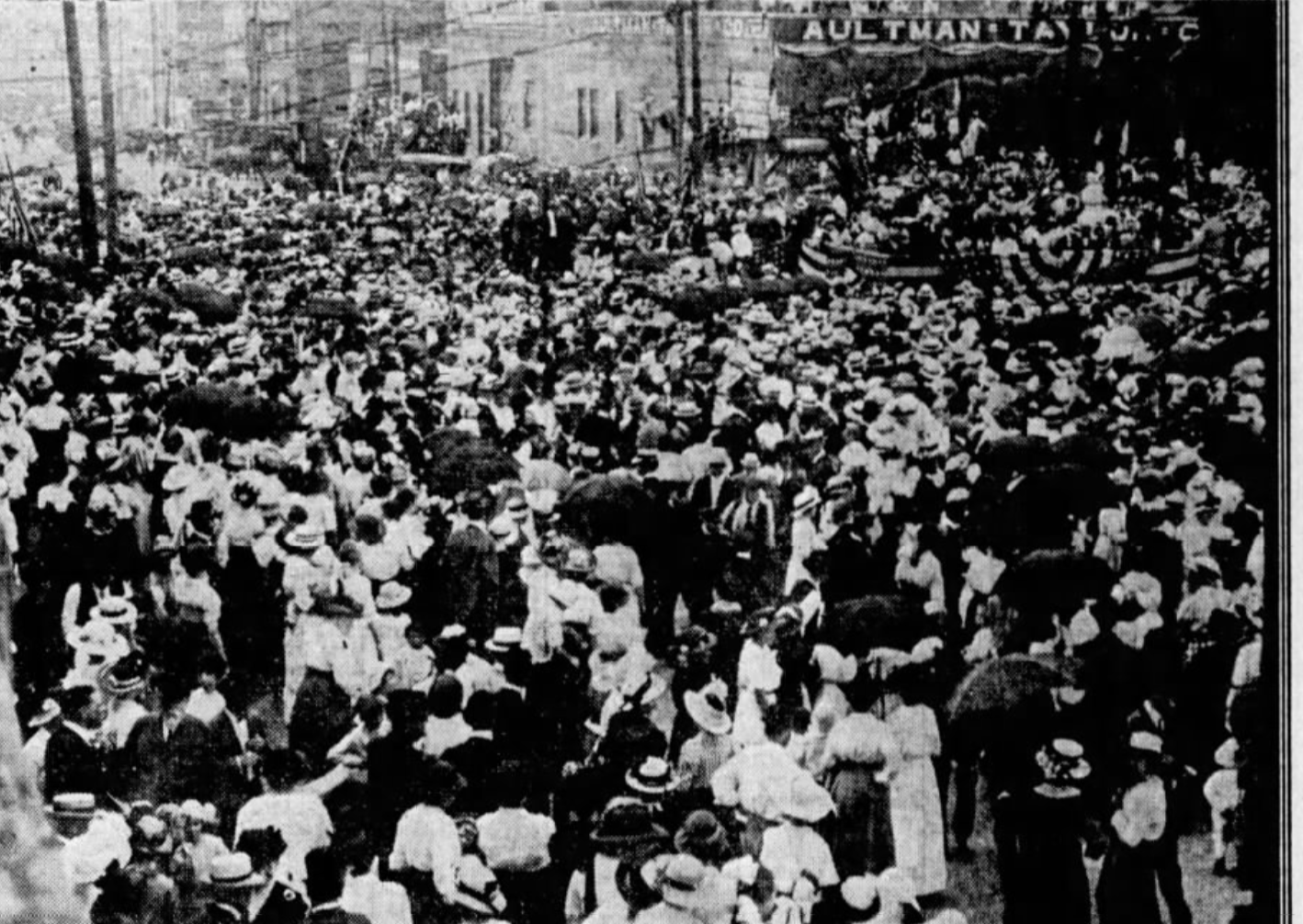
On a sweltering July afternoon in 1915, 40,000 Nebraskans converge at 9th and Q in downtown Lincoln to greet the guest of honor. Parents lift small children over railings just to catch a glimpse. Pickpockets prey on the distracted throngs. Faces in the crowd turn brick red from the heat. Some folks faint and have to be carted off to cooler locations. In heavy coats buttoned to the chin, police and National Guardsmen find the elements to be their most formidable foe.
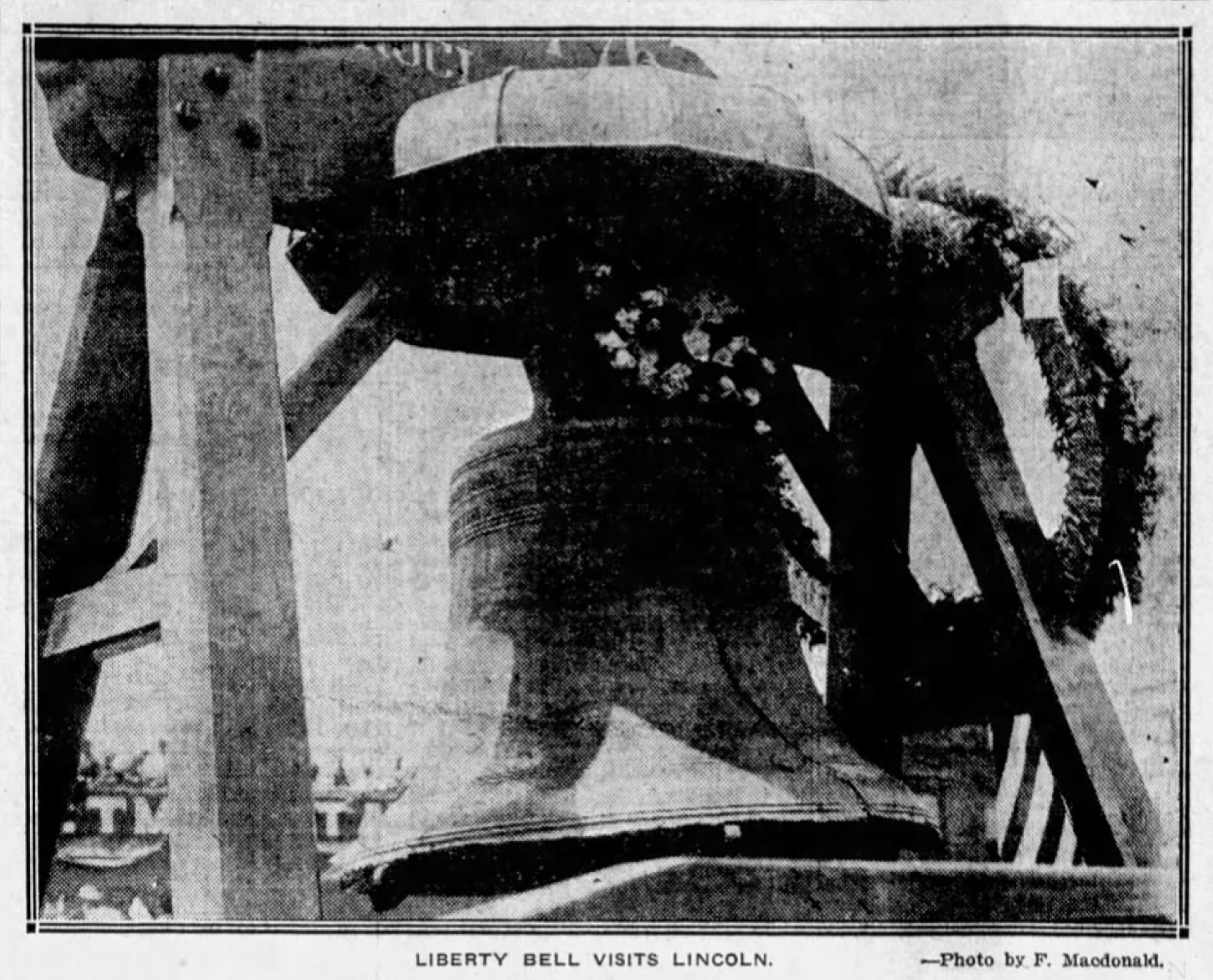
Despite the heat, the crowd surging through Lincoln remains in good spirits. But just five days into a four-month, 275-city tour that will visit a quarter of the country’s population, the star of the show is already starting to crack. This will be the last time the Liberty Bell visits Nebraska.

Sure, all birds are technically dinosaurs. But the Sandhill Crane is undisputedly the most dinosaurific. Their DNA and migration patterns have remained largely unchanged for at least two-and-half million years, twice as long as the next oldest avian on record. Remains of a close genetic relative found at the Ashfall Fossil Beds in northeastern Nebraska are about 10 million years old.
By year 2,498,050 of their existence (1960 in human terms), the Sandhill Crane had been brought to near extinction by a dangerous combination of being super-easy-to-hunt and super-delicious.
Cracking, of course, is nothing new to the Liberty Bell. Cracking is what made it the perfect symbol of an imperfect union. But this crack is new. Microscopic a few days ago, it’s now visible to the naked eye. While surely hastened by the vibrations of train travel, caretakers diagnose the national treasure as merely “suffering the disease of metal,” and the tour rolls on.
It will be another 35 years before Nebraska sees the Liberty Bell again — this time in the form of a full-size working replica. Except now the crack is painted on.
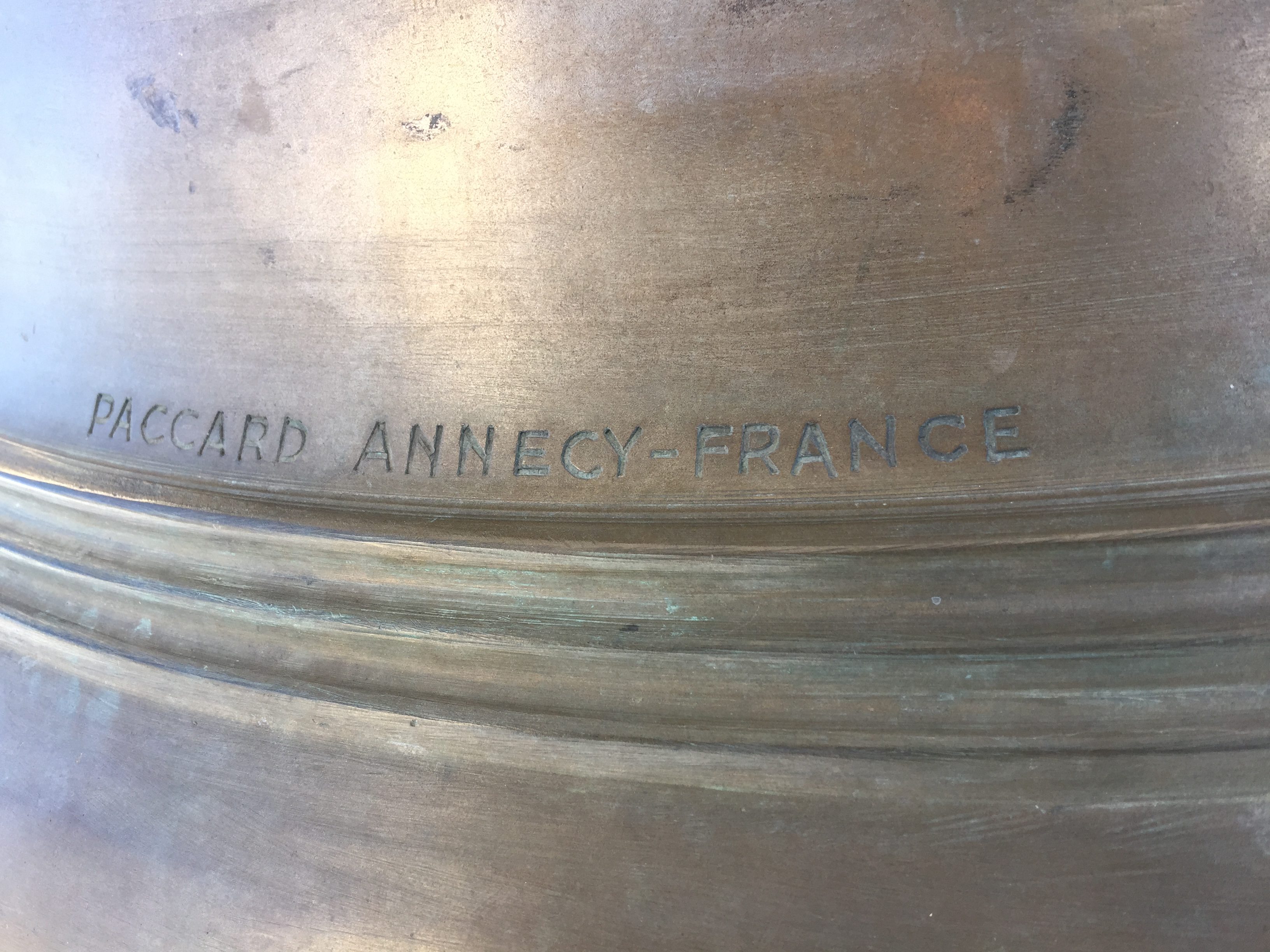
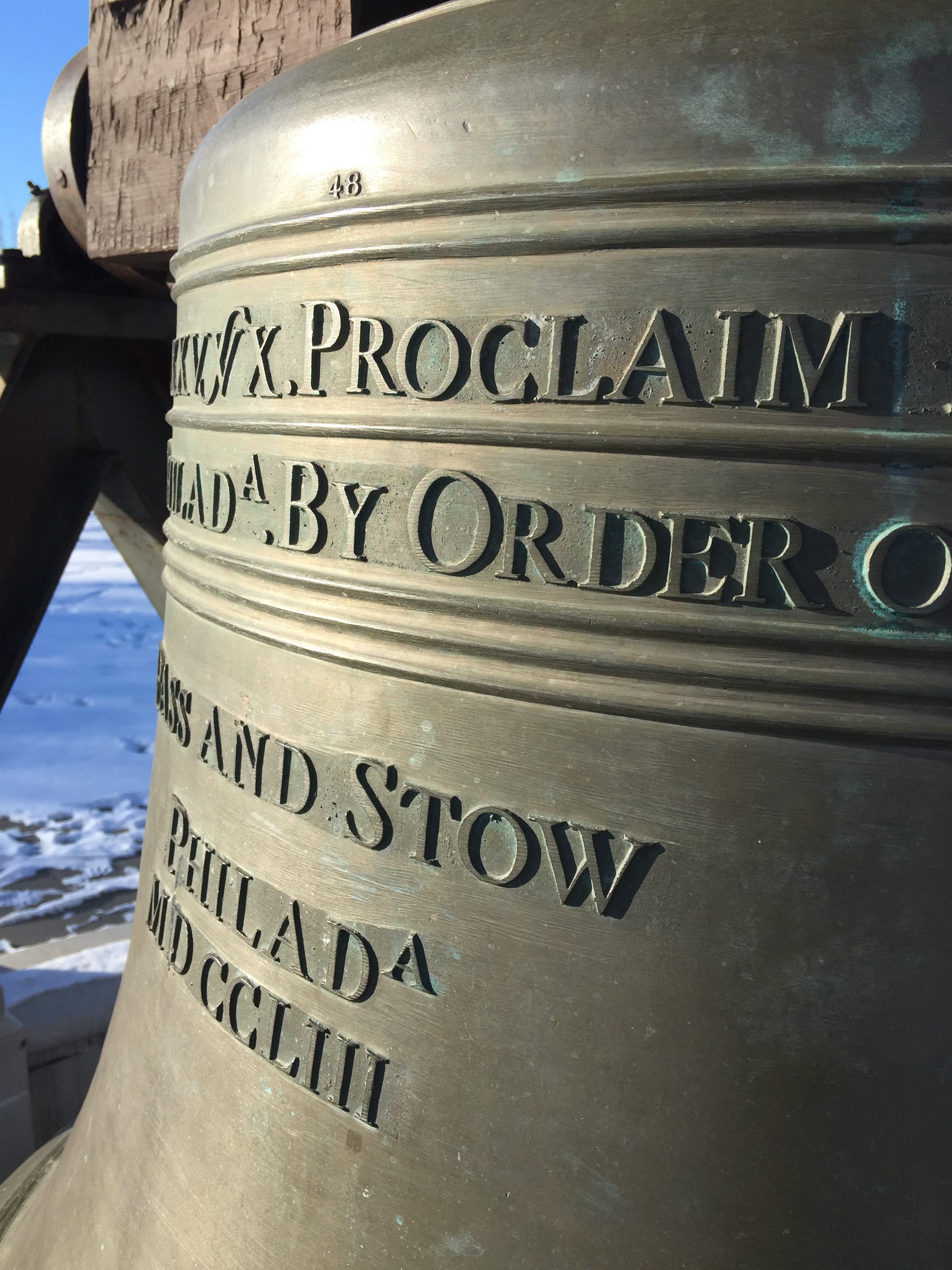
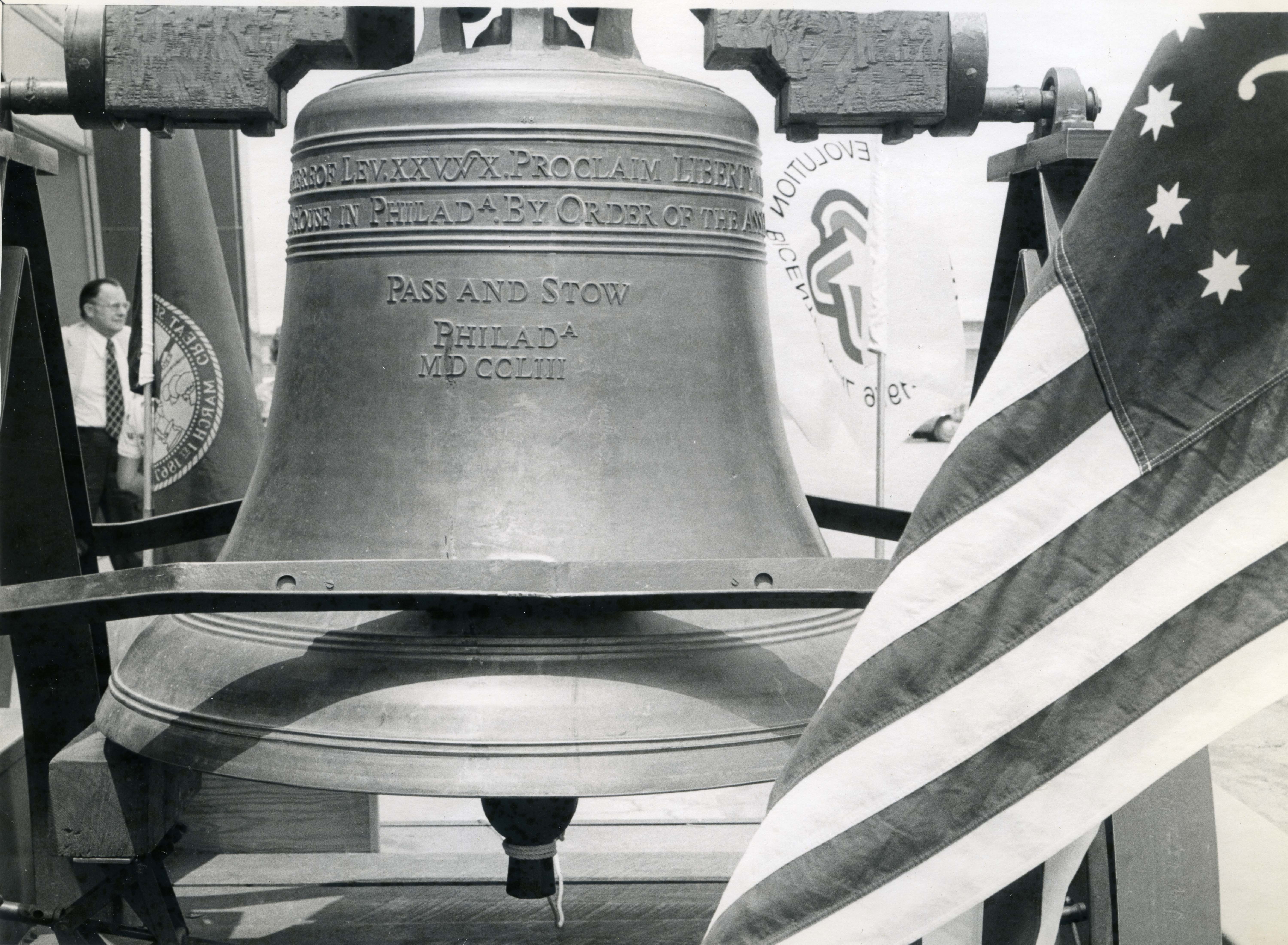
In late March 1950, the first shipment of Liberty Bell replicas arrives at New York’s Brooklyn Navy Yard. Comprised of 78% copper and 22% tin, they bear the color of newly minted pennies, not the weathered patina of the original. Identical in composition and tone, these are no mere knockoffs — they’re functional bells meant to be rung, loud and proud. Iron replicas would have looked just like the Liberty Bell and cost $50 per unit. But they would have been monuments, not bells.
The replica will tour the state, persuading Nebraskans to buy savings bonds. But before it can do that, someone needs to go to Brooklyn and get it.
The ribeye of the sky, as it’s known in Canada, has mounted an impressive comeback, staging daily shows at dusk and dawn for Kearney, Nebraska’s 34,362 residents and a seemingly untallied number of annual visitors. This bird nerd Super Bowl is like New Year’s Eve in Times Square or Mardi Gras in New Orleans — hearing about it is not the same as being there. And you should do it once in your life, even if you end up hating it.
Nebraska finds a man as perfectly named as he is qualified. Omaha’s Bill Bell is a 30-year-old World War II veteran and over-the-road trucker who has safely logged 360,000 miles for the Watson Brothers Transportation Company.
On May 12, the young veteran sets out on the 1,200-mile trek to retrieve Nebraska’s replica. His routes for Watson Brothers — who specialize in transporting relatively small, less-than-truckload (LTL) shipments — take him as far as Denver to the west, Topeka to the south, and Chicago to the east, so much of his journey will be through uncharted territory.
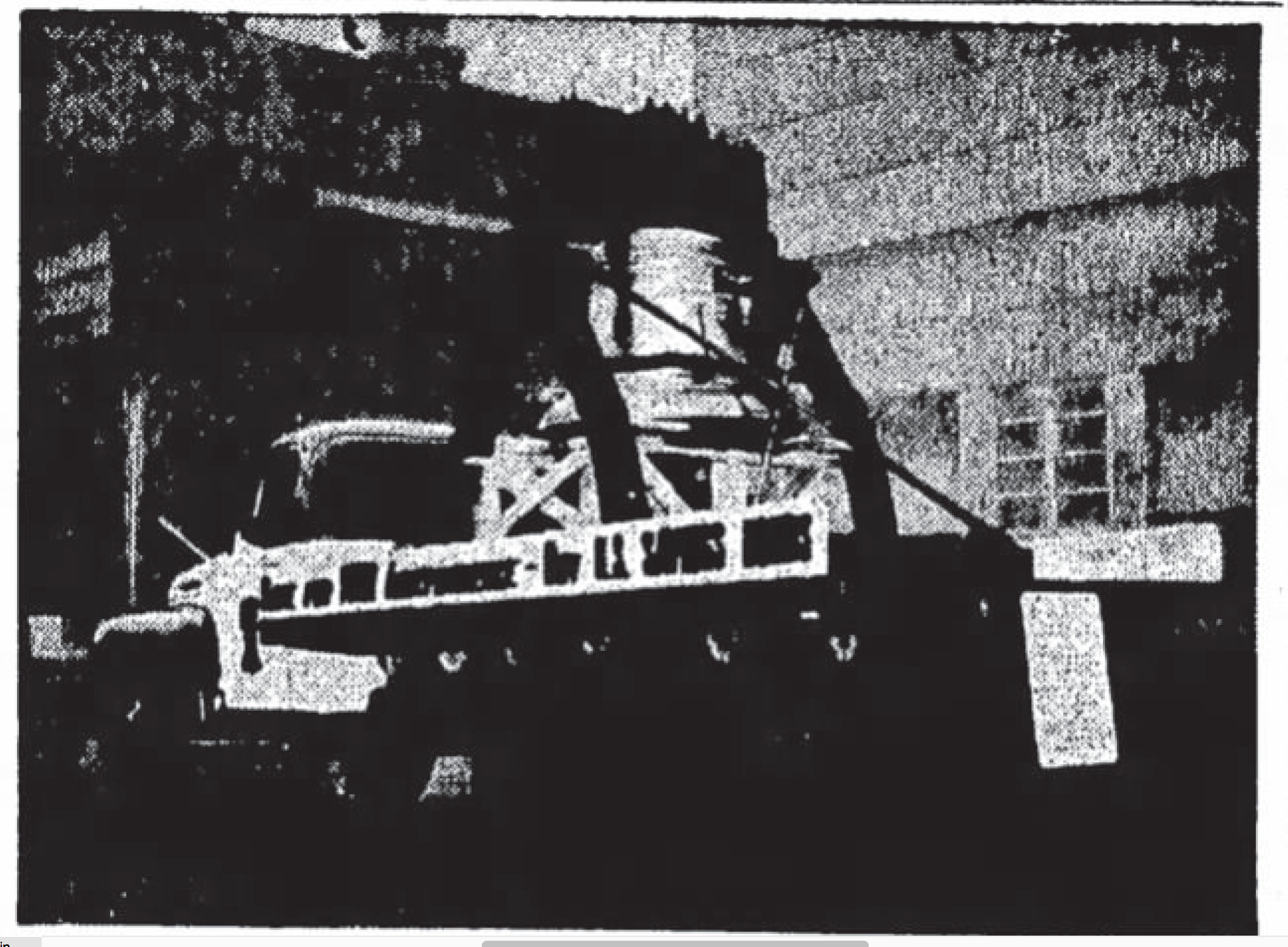
Bill Bell’s rig is as unconventional as his cargo. Standing 11 feet tall and weighing in at 9,000 pounds, the brightly painted red, white and blue flatbed is one of a fleet of trucks furnished by the Ford Motor Company. The one-ton bronze bell is secured to the open flatbed with mountings donated by U.S. Steel. Thanks to an unprecedented public / private partnership, the Treasury will have to lay out very little cash.
You might fly into Lincoln or Omaha and rent a car. You might drive farther from somewhere more interesting. You’ll gas up at a truck stop and clean the insectine splatter cakes off your windshield with a squeegee on a seven-foot stick. There will be no discernible traffic on I-80, but you’ll nonetheless find yourself in the occasional jam as a big rig with cruise control set to 76.5 miles per hour moves to pass a rig going 76 miles per hour. For the next eight minutes, all the cars that were previously going 78 queue up behind the left lane trucker.
To make sure you don’t accidentally pass through Kearney without noticing it, the town erected a $60,000,000 decorative arch across the highway in the year 2000.
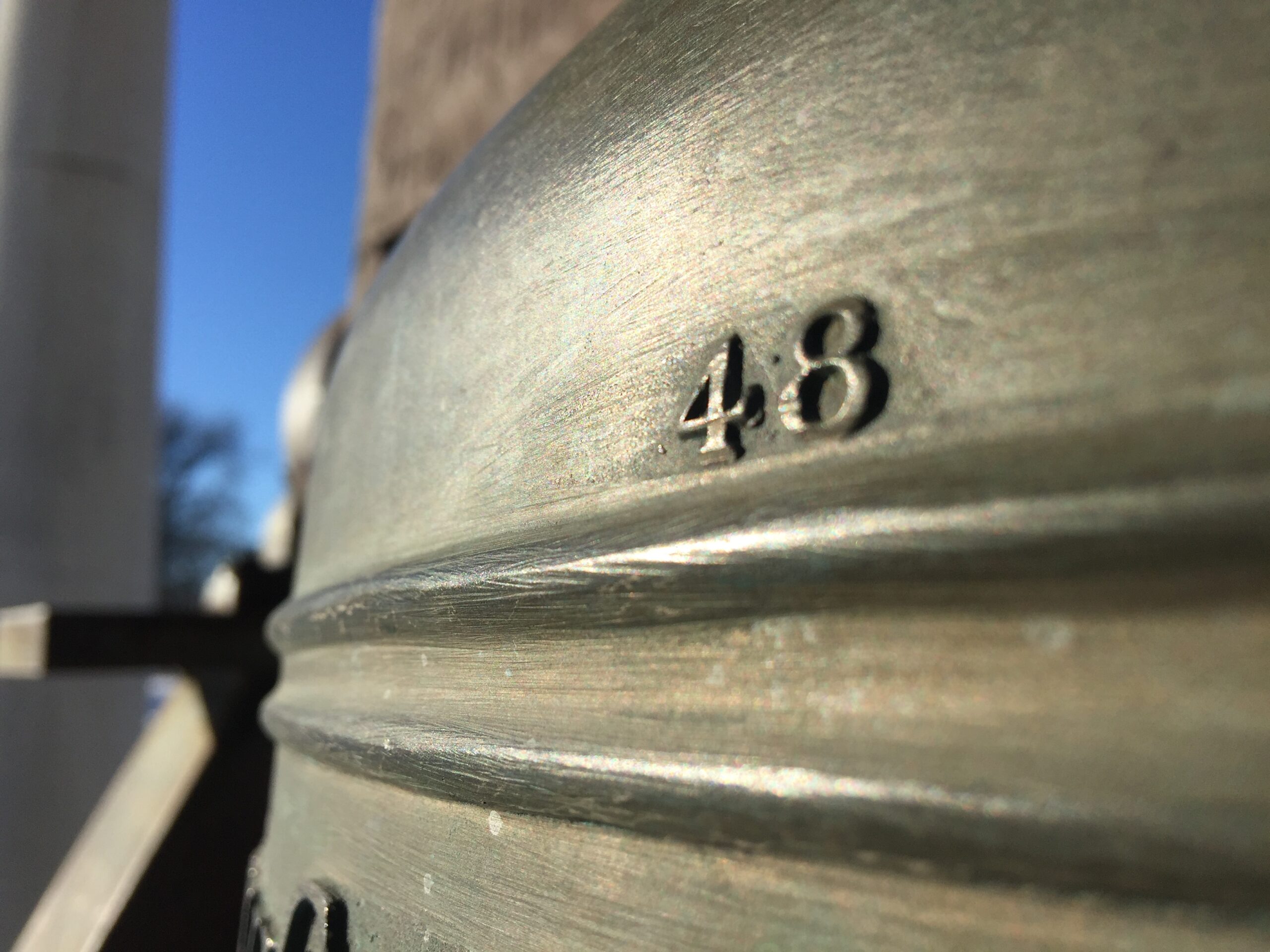
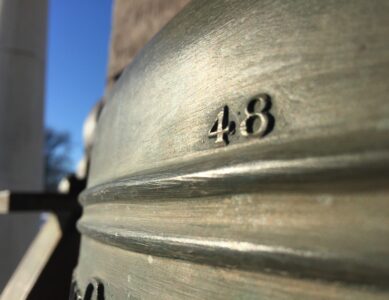
Bill Bell and Liberty Bell replica #48 leave Brooklyn, stopping as infrequently as possible along the way. The savings bond drive will start on May 15, with or without them.
New Jersey. Pennsylvania. Ohio. Indiana. Illinois. Iowa. As he motors west, Bell might start to regard his cargo no differently than the washing machines and boxes of soap he’s been transporting since returning from overseas. But as he crosses the Missouri River back into his home state, it’s showtime.
In a marathon 50 days, the two Bells will visit 80 towns in an effort to sell $11,285,000 in savings bonds — about $9 per Nebraskan.†
A mile off exit 272, between Wendy’s and Taco Bell, you’ll find the New Victorian Inn, a roadside hotel as Victorian as it is new, which is to say it is neither of those things. But it is a Nebraska-owned 2-star hotel with a 4.1 Google rating, an exceedingly friendly staff, and a double-barrel waffle maker to get you going before dawn.
Because not only Canadian humans find them delicious, the cranes avoid night-stalking predators by huddling en masse on shallow islands in the slow, sandy river, sleeping while standing on one leg.
On May 26, the shiny new Liberty Bell arrives at 12th and O in downtown Lincoln. It stays about as long as the original did back in 1915. The next day, it’s on to Omaha, then Wilber, Beatrice and Fairbury. Had the replicas been purely a means to an end, the Treasury could have sold them for scrap and added another $104,000 to its coffers. Recognizing the symbolic value, they instead donate each bell to its respective region.
Nebraska Governor Val Peterson and his counterparts across the country now have to decide what to do with the unexpected gifts.
At a July 6 Capitol ceremony, with about 50 people in attendance, the governor accepts the Liberty Bell, framing it as a tool to combat communism. “Today, America is being challenged as never before. The Russian people, who subscribe to the oldest form of government — tyranny — are challenging democracy, Christianity and the dignity of free man.”
Peterson decides to display the bell on the Capitol rotunda floor, but this plan is not without its detractors. A July 2 article in the Nebraska State Journal titled, Liberty Bell is a Problem cites concerns that the new monument might detract attention from the building’s most renowned feature.
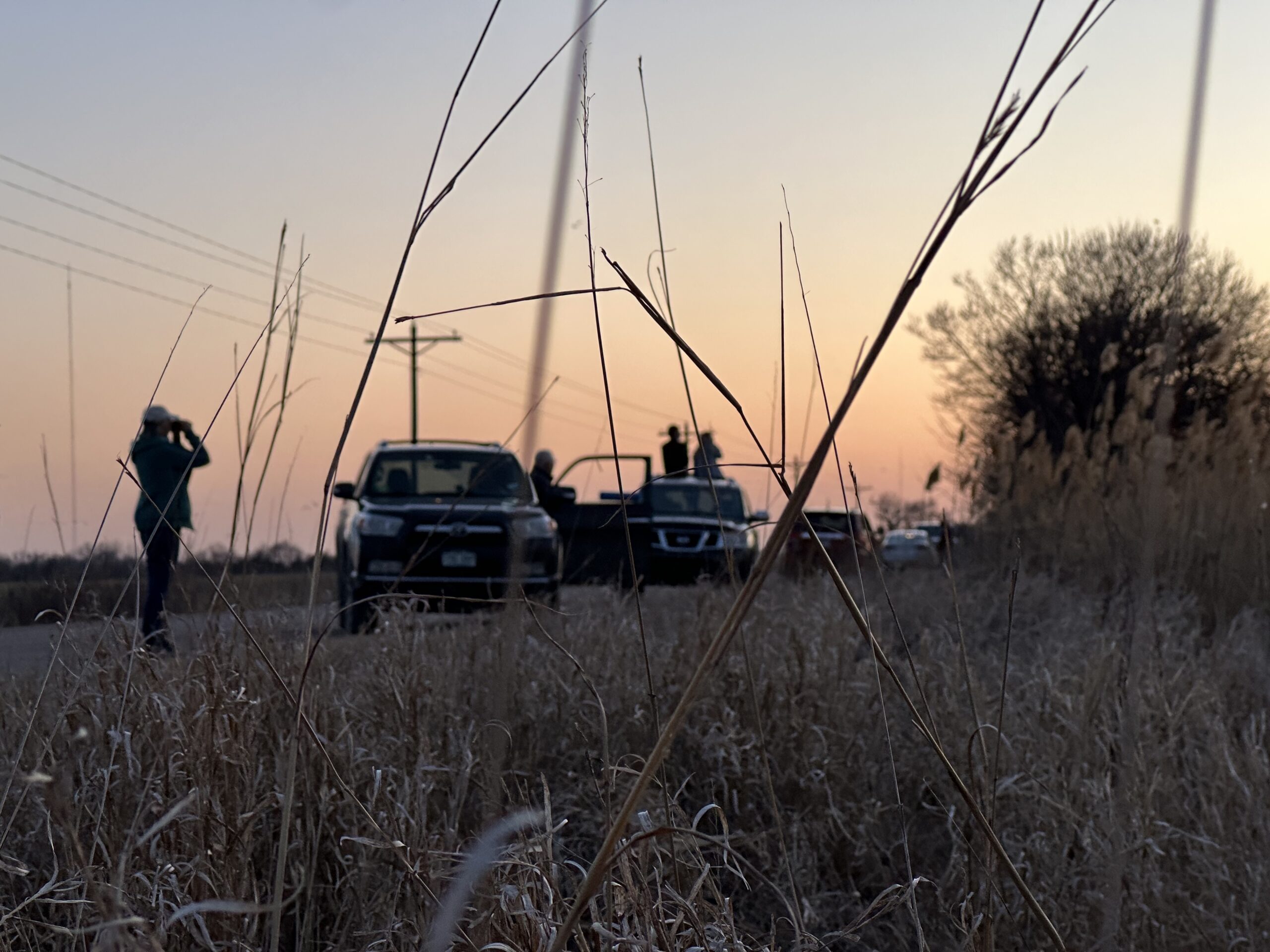
You’ll want to put the most punctual member of your party in charge of the schedule. Ask your phone what time dawn will start — it’s usually half an hour before sunrise. Wherever you plan on watching the show, plan on being there at the crack of dawn. It might be nice out, but it will probably be cold. Someone will forget something and want to return to the Inn or drive through Scooters for a coffee. Ignore all such requests. This is not about them. This is about the birds. And you must not be late.
You can reserve an overnight stay in unheated blinds — riverside huts with long horizontal birdwatching slits — at the Rowe Sanctuary in nearby Gibbon. Or join the throngs at Fort Kearney State Recreation Area, where $5 a carload will let you park a short walk from an old railroad trestle-turned massive birding bridge. If observing nature from the warmth of your own vehicle is your jam, park behind the dozens of cars along Elm Island Road, just east of the Richard Plautz Crane Viewing Site.
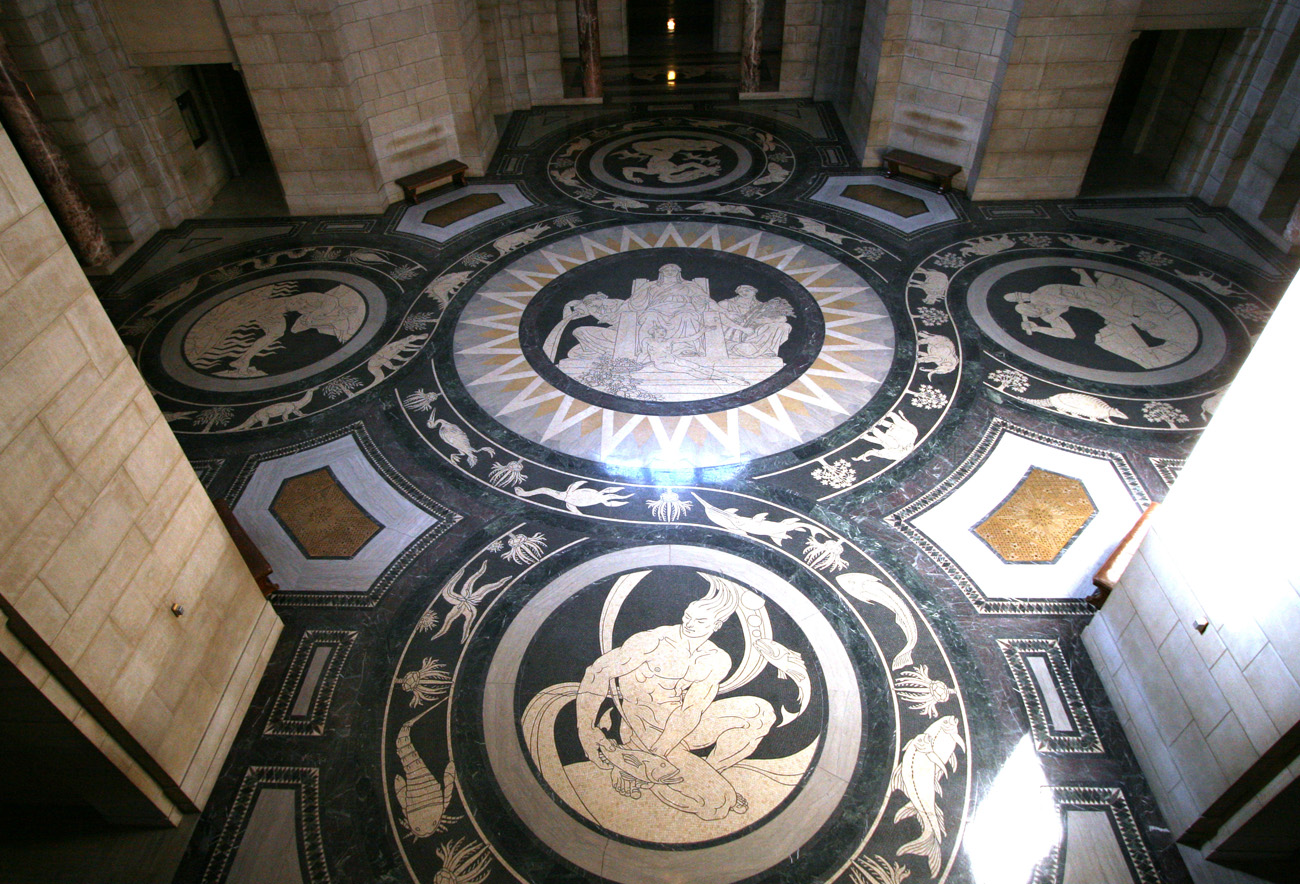
Art Deco muralist Hildreth Meiere’s 1928 crowning achievement, the Capitol rotunda’s marble mosaic floor depicts Earth as the Life-Giver at center, flanked by figures representing Water, Fire, Air and Soil — all encircled by a lovely parade of creatures from Nebraska’s prehistoric days.
Governors decide and preside — lieutenants and officers and secretaries get the work done. The task of getting the Liberty Bell inside the Capitol falls into the very capable hands of Harold Hulfish.
You’ll hear them before you see them. A honking symphony of cackling caws. A clumsy chreshendo. What you experience next will depend on how warmly you dressed and how comfortable you are with your smallness in the universe.
Slight, shadowy shapes start to form in the water. As the sun slinks up, some shapes turn to empty islands. Some turn into awkward throngs of dinosaurs that stir up in unison to take the short, squawky flight to nearby empty cornfields for their day’s dining.

Harold Hulfish is a fixer. Born at the dawn of the twentieth century, his birthdays mark American milestones.
He joins the Army in 1916 at age 16. When the U.S. enters the Great War the following year, so does Harold Hulfish. As a medic in St. Nazaire, France, he learns to fix what he can and forget what he can’t.
He’s 19 in 1919 when Nebraska gives him a hero’s welcome upon his return. Two years after saving the world, he finishes high school and joins the police force.
At 25, he leads his local American Legion Membership Army. At 32, he marries Lillian Rank — the same year this Capitol is completed. At 35, he gets into — and out of — some hot water. As a teenager, he learned to look out for the guys on his left and the guys on his right. Do an honest job. Follow orders and obey the rules, even when they’re clouded by the fog of war or the call of duty. Those principals will be tested more in Lincoln than they ever were in France.
Fourteen months after Prohibition’s end, the Lincoln Machinists and Automotive Services Association throws a party at Godfrey Amen’s beer tavern, Duffy’s. Mayor Fenton Fleming and City Commissioners Paul Doerr and A.C. Harm are in attendance. Hulfish is there off duty. Auto supplies salesman Francis Marshall pays a woman named Jean $5 to perform a coin shower — a dance where, as she removes articles of clothing, patrons toss change in her direction, presumably for her to keep. Drinking and dice and nakedness ensue. Upon hearing about the party, Commissioner E. M. Bair, who was not invited, calls for Hulfish to be removed from the force and for the tavern owner’s license to be revoked.
Party attendees testify publicly, presided over by Mayor Fleming himself. When asked about Miss Jean’s performance, Hulfish asserts, “I did not see any of the dancing. I do not like to see women dancing. I would not cross the street to see the Queen of Sheba dance.”
After a 16-hour ordeal, Fleming and the City Council vote 4 to 1 to exonerate Harold Hulfish and Godfrey Amen, dismissing the day’s proceedings as a political frame-up. The mayor leans back in his chair, victorious and exhausted. Just then, Commissioner Bair, the only dissenting voter, rushes up and lays a good, swift kick on Fleming’s chair, toppling him to the ground. The two men have to be separated.
At 41, Hulfish is appointed Deputy State Sheriff. When the War to End All Wars doesn’t deliver as promised, Hulfish reenlists. While serving in Italy, he sends Governor Dwight Griswold an ashtray fashioned from one of the last German shells fired in the North African campaign.
At 50, he serves Griswold’s successor as the State Capitol Building Superintendent. When Governor Peterson wants the Liberty Bell displayed on the rotunda floor, Harold Hulfish is up to the task. The third Capitol to occupy this site in a 55-year span — this one was built to last. It was not, however, built to accommodate a visitor quite as large as the Liberty Bell. Hulfish stands beside the bell the day after the reception ceremony, scratching his head quizzically.

He knows the nearly four-foot-wide bell isn’t going to fit through the three-foot-wide doorway. Nonetheless, he has a job to do. He’s fixed stickier situations than this. If he can remove the bell from its support frame and disassemble the revolving doors, it might just make it through.
At the peak of the migratory stopover between their winter homes in the southern U.S. and northern Mexico and their summer homes in northern North America, half of the world’s Sandhill Crane population sets up camp here in Nebraska.
You’ll see them much better through your eyes than through your phone. There will be plenty of time in the full light of day to watch these creatures dance and flirt and fight in the fields.
Hulfish and crew gently ease the one-ton replica through the new opening a few hours later. There is no room for even daylight to pass through the space between the bell and the threshold. It’s a tight fit, but it fits. Admiring a job well done, Hulfish declares, “Now, I hope nobody tries to ring it.”
But bells will be bells, and ringing is what they do. Hulfish and company keep the unauthorized clangor to a minimum. By 1961, Governor Frank Morrison gets in on the action, tolling the Liberty Bell to celebrate the 20th anniversary of U.S. Saving Bonds.
To the imaginable chagrin of Harold Hulfish, the Nebraska Liberty Bell does not stay put. Two days before Independence Day, 1964, it’s moved out of the building the same way it came in. Once outside, it’s boxed and padlocked like a giant gift to Nebraskans. At noon on July 4, officials unbox the Liberty Bell, and Jerome Henn, commander of the Nebraska American Legion, rings it for 20 minutes. The bell then returns to the Capitol rotunda floor.
In 1976, the country desperately needs a shot of patriotism. Nebraska’s Liberty Bell is called into action — not to raise money but to raise spirits during a year-long goodwill tour of the state, sponsored by the Richman Gordman department store chain.
This time, Denton’s own Ed Averill does the honors, driving the bell to all corners of the state. When the Bicentennial tour returns to Lincoln, man and bell are welcomed at 45th and Vine with a day-long celebration. Dancers start promptly at 7:30 pm.
As with many of its nationwide counterparts, the Nebraska Liberty Bell quietly disappears — unceremoniously crated away at the Nebraska Army National Guard facilities maintenance office. The eighties, nineties and Y2k come and go. Aside from a handful of bell hunters who can’t check Nebraska off their list, no one misses it.
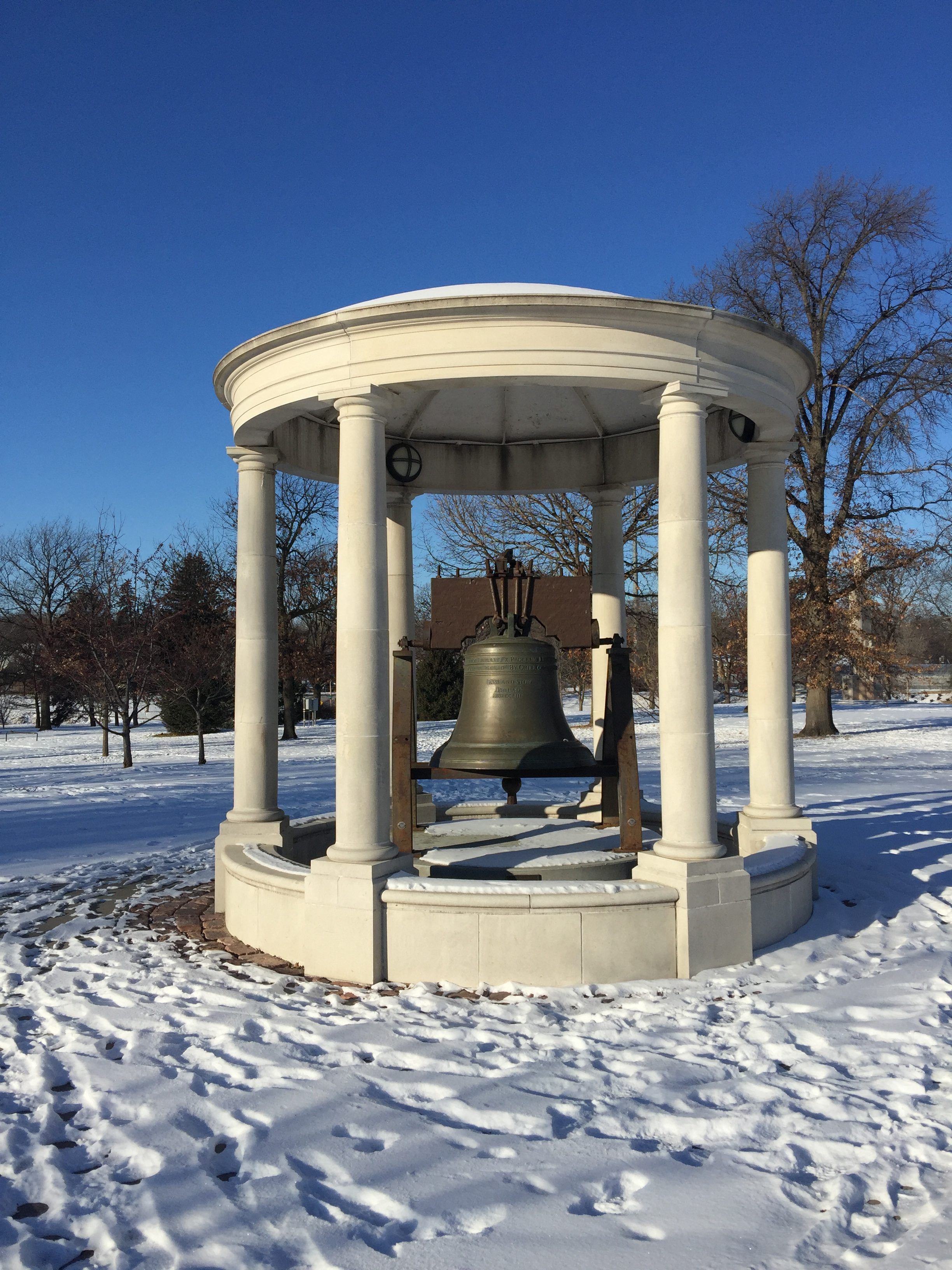
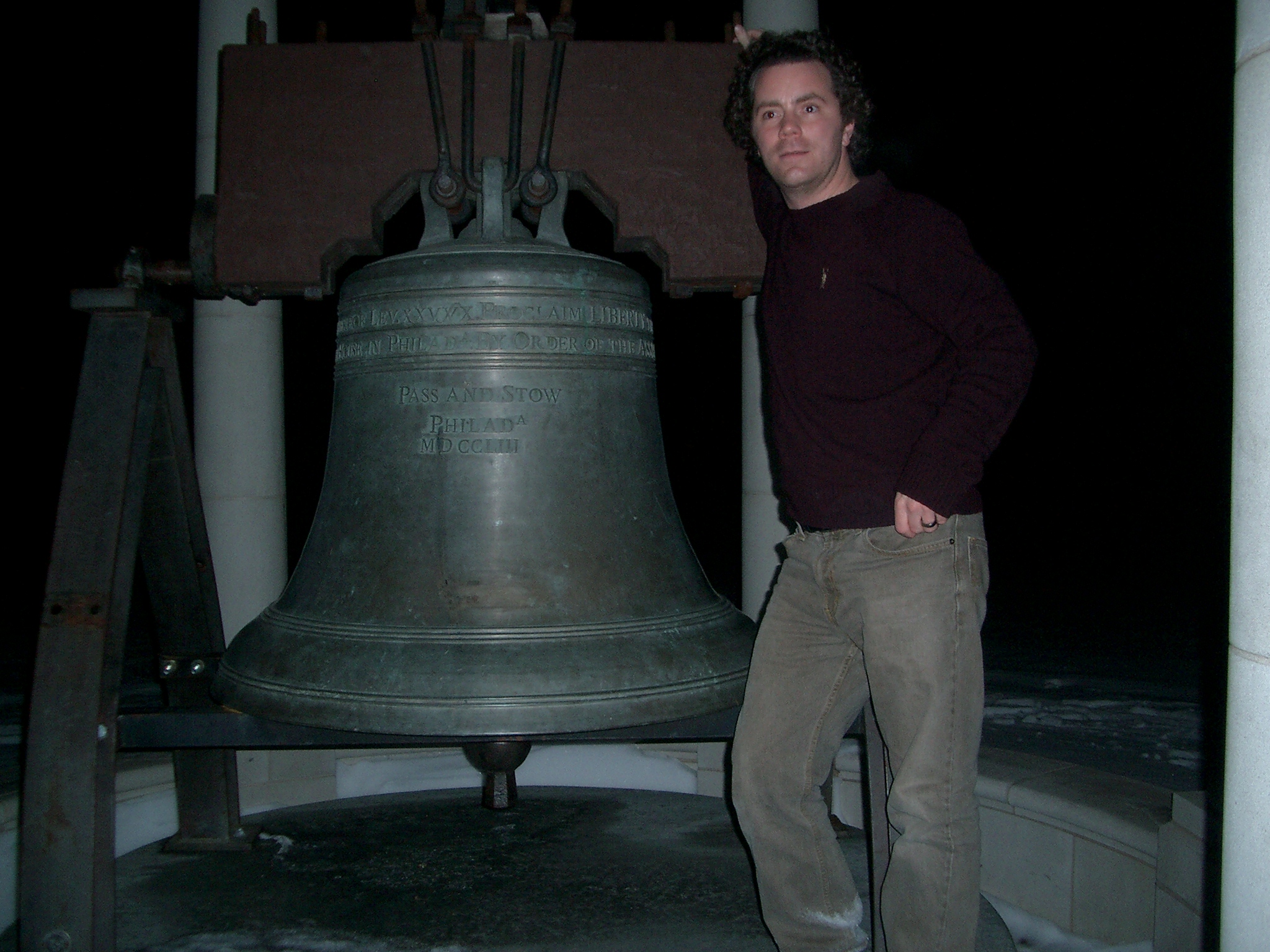
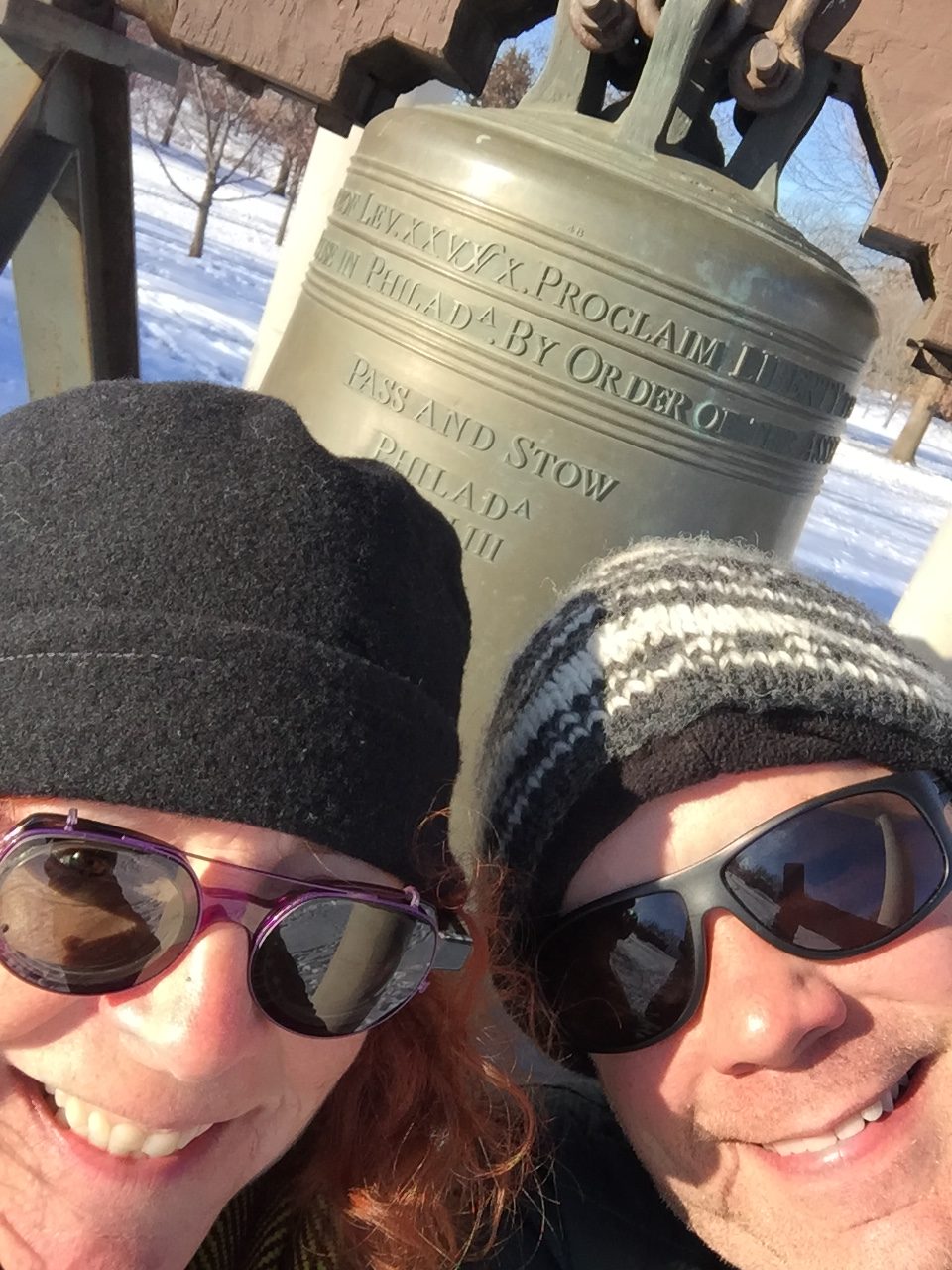
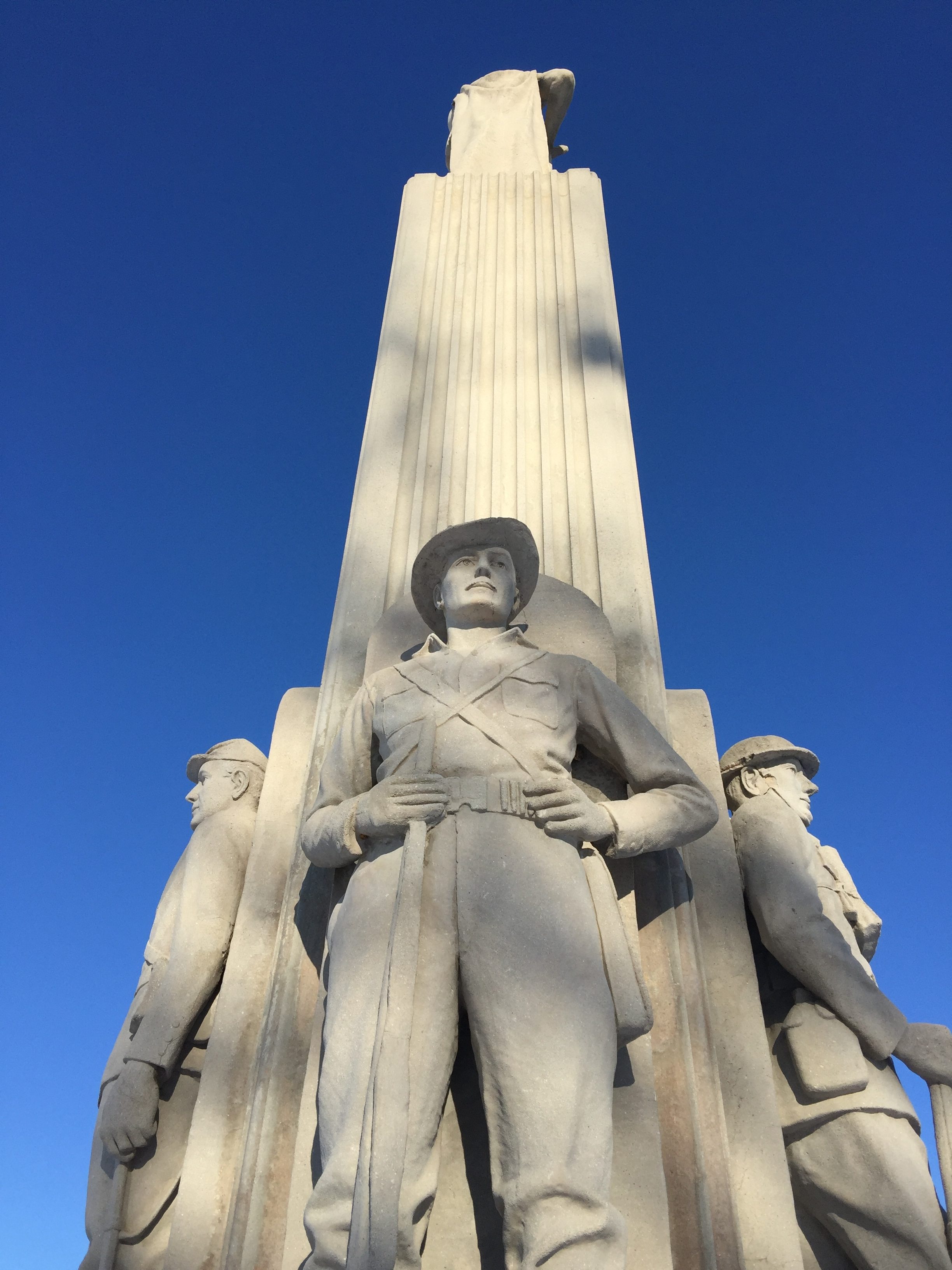
After 28 years out of public view, Nebraska’s Liberty Bell gains a new lease on life, thanks to another public / private partnership. At a February 2, 2005 ceremony, Lincoln Mayor Coleen Seng announces the Lincoln Cares program will provide $15,000 to build a shelter for the bell’s permanent display at the new Veterans Memorial Garden in Antelope Park. While its new home is being built, Liberty Bell #48 spends a season down in the minor leagues, cheering on the Lincoln Saltdogs at Haymarket Park.
Fifty-five years after it first rolled into Lincoln on the bed of Bill Bell’s red, white and blue Ford, the Nebraska Liberty Bell debuts in its new permanent home on Veterans Day 2005.
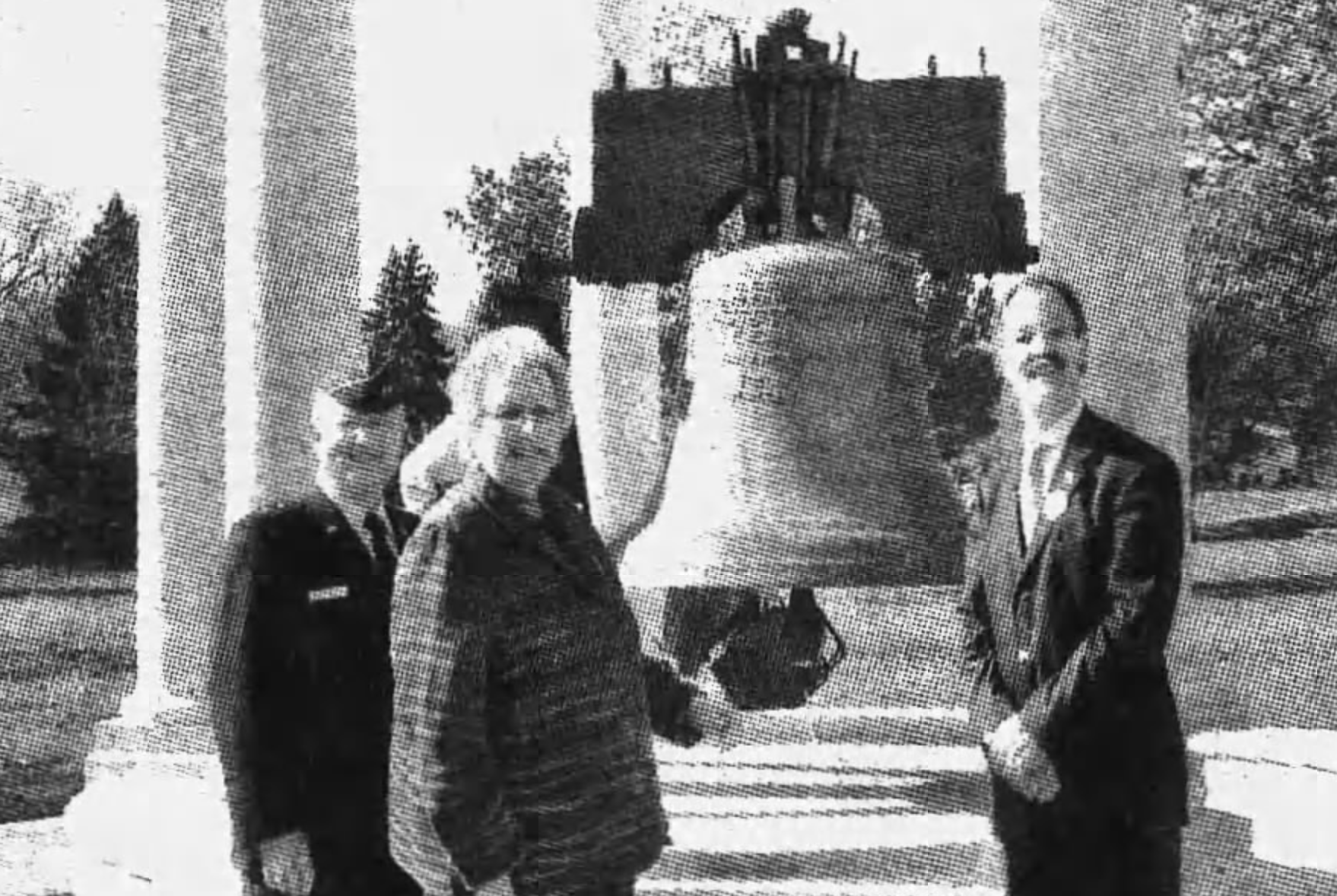
Mayor Seng dedicates the shrine as “… the perfect place to observe Veterans Day and to reflect on the sacrifices our nation’s soldiers have made for families and liberty around the globe. Future generations will enjoy the bell and its fascinating history.”
Despite only having to coexist with humans for a fraction of their time on this earth, we don’t particularly spook Sandhill Cranes. But resist the urge to creep closer. Rather, roll up on some bird nerds with a scope and ask to steal a peek. They will say yes and a lot more.
Forego the fast food and hit up The Crafty Dog for some local flavor. Order anything on the menu. It will come with twice as much cheese as you’d think and will taste twice as good as you’d expect. You won’t find ribeye of the sky on the Crafty Dog menu or anywhere else in Nebraska.
At day’s end, the Sandhill Crane show repeats in reverse when the well-fed throngs return to roost in the frigid, shallow Platte. As the sky slowly shifts from cerulean to creamcicle to blood-red, distant flying-V formations clump and cluster into a seemingly singular organism — circling and circling and crash-landing clumsily.
Next year, and for the next ten million years, they’ll do it all over again.
* While Nebraska’s title track is about Lincoln-born Charles Starkweather’s 1958 killing spree, it’s not a concept album about Nebraska (or a concept album at all). But the state serves as a fitting metaphor for the record’s dark, sparse, quiet landscapes and its everyday inhabitants.
† When the final tally was in, Nebraskans fell short, selling 92.9% of their quota. Only Vermot and Idaho did worse.
Resources:
After you see them in person, check out the work of Michael Forsberg.

Nebraska Liberty Bell Replica
Location:
Veteran’s Memorial Park within Antelope Park
23rd & N to 33rd and Sheridan Boulevard
Lincoln, NE 68502
Can I ring it? No. The clapper is in place but locked down.
Hours: 24/7 (outdoors)